Saturday, November 1, 2008

Is it legal for women to wear men’s clothes?

WOMEN are always in the forefront to speak for their rights in a society. The advocacy is portrayed through various women’s organizations who are keen in demanding for their rights and are also against any acts of hostilities that men are doing to them including raping. But on the other way round, none of these organizations have stood firmly to point an accusing finger to some practicing women in a society who seems to have no respect and instead tend to behave like men in a society, thus denouncing the lord God who created people with different characteristics knowing each one of them has a role to play in respect of their gender. The most embarrassing thing that has commonly emerged in most African societies nowadays is the habit of women to put on long trousers, a garment that is specifically chosen by the lord God to be men’s dress.

A group of women who have put on long trousers walking along past Millennium Tower building at Kijitonyama area.

They think in doing so, they would one day become men. They actually tend to look like men and want to behave like men, something which by any means whatsoever can be legalized. The habit of women to wear long trousers is strongly an abomination act to the lord God himself who knew from the beginning that his creatures would wear the types of clothes he had chosen for them in respect of the nature of his creation. According to his creation, women would wear skirts, blouses and gowns while men would put on shirts, long trousers and short trousers.

Many reports says that, many young ladies and middle aged women have formed a tendency of wearing men’s long trousers. This shows rudeness for the part of their thinking.

But it’s extremely an annoying thing to see that women have become so notorious in mixing up men’s clothes for themselves an aspect that actually doesn’t show up loyalty before the lord God. The bible says in 1st Timothy 2:9 God forbade mixing up of clothes. I witnessed one day, a daladala driver who was in a verbal conflict with a woman (who looked like a man by the way she had addressed up herself) after a long argument that she was looking for man ship that she knew would never attain.

Two women crossing a makeshift bridge made up of wood planks, this is at Sinza in Dar es Salaam. This temporary bridge passes over a ditch for drainage which seems to have not been repaired for long, hence full of a stinking stagnant water which has now become a breeding pond for mosquitoes and other insects that harass people around.

One Muslim fundamentalist has ever said in a recorded cassette that, the shameful dresses such as the mini-skirts which halfly shows nakedness commonly being practiced by most
young ladies in most African societies is a shameful act as far as African tradition is concerned. This is an idea which of course requires moral support as the habit has been perpetrating the increased moral decay in the African society and to the great surprised, none of the women’s organizations in the country and elsewhere in Africa has ever frowned upon.

It’s a common habit nowadays to see young ladies clad in men’s clothes like long trousers as this lady is seen along the streets of Upanga area in Dar es Salaam

Women have been demanding for their rights, but what rights have they been denied? Is there any law which favors men? In this way the fight against the spread of HIV/AIDS disease would never stop. This fundamentalist further warned that, journalists must also be serious with their publications. The presence of obscene photographs in their local newspapers which has become so notorious in most Tanzanian weekly Swahili newspapers their impact causes deteriorating morals in the society. Such photos are the greatest stimulus to the spread of the HIV/AIDS as such photos promotes sexual desire. It’s therefore imperative to observe ethics which are against societal traditions and culture for indecent photographs in newspapers plays a significant role in inducing some people to continue committing unsafe sex resulting into infections.

This is how contractors meets challenges

This is a dramatic incident of an almost falling down four storey building along Zanaki Street in downtown Dar es Salaam city that recently surprised passersby along the street when it was discovered to have inclined against another building adjacent to it. The building whose foundation was built in 1940s is said to have been constructed on a watery ground and it seems as if its foundation was not made much stronger to sustain the weight of a building in future, an aspect that has caused the building to bend.

Two storey buildings have inclined each other. The old buildings are said to have been constructed in 1940s.

A technical expert on concrete building materials from the Structure and Building Material Laboratory of the structural engineering department of the College of Engineering and Technology of the University of Dar es Salaam (UDSM) is seen taking photo with a special camera designed to determine the sustainability of the building which seems to have bent against the other.

May be we should say the technology of constructing a foundation was not done in a more scientific manner. This is contrary to modern technologically constructed building whereby the technology has advanced. Both Engineers and Contractors’ Registration Boards have assigned reputable technical experts to find out the possibility of rescuing any possible losses that the building is likely to cause in future. In the picture, an expert from the department of civil engineering of the University of Dar es Salaam is seen taking a photo to establish the possible cause of the danger.

The legality of public breast feeding

BREASTFEEDING in public is one of the most-discussed areas of nursing a baby that sometimes causes a friction between family members, friends and outright strangers in a society. Some people believe that public breastfeeding is natural and beautiful, a sharing of the nurturing process between mother and child. Others feel it is a private and intimate act, which should be sheltered from the eyes of others. Yet other people think that breastfeeding is perfectly fine though they just don't want to see it openly. It's all very confusing, because the breast in this culture, is essentially considered the primary sexual attribute of women. Men judge women by their breasts in terms of their size, perkiness and cleavage. Having thus hyper-sexualized that part of the body, the culture then proceeds to regulate its appearance. Even when a baby is attached to it, a breast is a breast, and in the puritanically small minds that so often prevail, a thing that incites men to sexual frenzy. It's idiotic, but there it is, and local laws and regulations may reflect the awful truth that breasts are not to be hidden or displayed. They are part of the public domain and thus subject to the laws of the land. In some backwards places, one may suffer stares of disgust and whispers of outrage, be ousted from a mall or restaurant or even receive a citation for baring a woman’s breast in public, even when it is to provide the finest kind of nourishment to a beautiful baby.

Public breastfeeding of babies should not be a matter of a serious concern, as this is the right of a woman.

Women have two alternatives as they can go ahead and breastfeed their children in the open space and duke it out each and every time someone else is offended, or they can do what women have done for centuries and put a tiny little receiving blanket over themselves and their babies and nurse them in a shady little tent. When it comes right down to it, each woman makes constant choices about how and when to expose her body. When you're a teenager it might be short skirts, when you're pregnant, you may opt for belly-baring fashions that remind us that the first religions honored women's fecundity and big, round goddess bodies. There's no reason to breastfeed openly unless you're interested in inciting comment. Clever tops, nursing bras and breastfeeding covers can keep you looking modest no matter what a wild thing you are. If you're traveling, especially to other countries, find out how women breastfeed in the places where you're going so you don't offend the citizens of that land. While in airplanes it's a consideration to your seatmates to ask the flight attendant if there's a special place where you can spread out a little to nurse. Otherwise, do use a cover to obstruct strangers’ eyes. In churches or mosques, nursing mothers generally leave the service and find a quiet, private room in which to breastfeed. In restaurants, you may find resolute opposition to nursing in public. Some people find that seeing a baby feeding interferes with their enjoyment of their own food. And it's not just breastfeeding that puts them off, except many an iron-stomached person has been rendered virtually seasick watching a doting parent pushing food into the drooling, messy mouth of a teething child. Sometimes, breast-feeding just doesn't go right, there might be a beast substitute of it and all the advice in the world can't prevent some women from finding it too painful. If you've worked with a lactation consultant, practiced various holds and techniques and still find breastfeeding uncomfortable, you may need to bottle feed your baby. In this case, you might be able to use a breast pump so your baby still gets the ideal—breast milk in a bottle feeding. If you can pump your breasts and store the milk, you're way ahead of the game

Why testing for HIV/AIDS disease

IT is now over a year since the National campaign for voluntary counselling and testing for HIV/AIDS disease was launched in July 2007 by President Jakaya Kikwete in the country. Many people most of whom youths and middle aged have emerged in response to the call to carry out the exercise in a bid to know their health status. Quite a good number of Tanzanian citizens responded possitively to the call made by the President who urged people to undergo such testing services in various testing centers such as the most popularly known as ‘Angaza centres’. The Angaza project, meaning ‘shed light’ in Kiswahili aims to remove the stigma surrounding HIV/AIDS disease and therefore reduce the spread of the disease by encouraging every Tanzanian to know their HIV status. Since the project was launched, it has aimed at increasing access to quality testing and counselling services so that to provide community care support for those with HIV/AIDS. Using rapid HIV tests which are accurate, easy to perform, low cost and which require minimal laboratory equipment. Another aim for the project was to carry out training voluntary counselling and testing counsellors as well as increasing social marketing campaigns so as to improve awareness of testing sites and to dispel myths and stigma surrounding the disease. In the last 20 years, HIV/AIDS has spread rapidly across Tanzania, lowering life expectancy, ruining individual life, harming the national economy and and it’s the worst disaster leaving one in ten Tanzanian children orphaned. Whilst acknowledged as a national disaster, less than 10 percent of the country’s late teen and adult population are aware of their HIV status, rendering it impossible to contain the disease and difficult to care for those that have been already infected. For many Tanzanians, HIV/AIDS testing had remained stigmatised. Until recently, testing was carried out with little regard for confidentiality and was followed up with ineffective and inappropriate counselling. Girls and young women are often the most vulnerable to HIV/AIDS disease and are three times more likely to be HIV positive than their male counterparts. This is partly the result of cultural traditions, which make it difficult for females to negotiate safe sex and refuse the advances of older men. Other cultural norms provide obstacles to the fight against HIV/AIDS. For example, married couples often fail to discuss sex despite the fact that half of HIV infections occur within marriage. Parents rarely talk to their children about their sexuality. Lack of openness increases ignorance and creates stigma and embarrassment around discovering one’s HIV status. Since the campaign for voluntary testing and couseling was launched, there is a tremendous achievements shown. Statistics made available by African Medical Research Foundation (AMREF) shows that, over half a million people have been tested at voluntary counselling and testing sites throughout the country.

The governmemnt of the United States of America through its international aid agency (USAID) has been in the forefront in helping Tanzania’s initiatives on the fight against HIV/AIDS disease. To ensure an effective implementation of the policies and oprograms it has set, the organisation has placed a number of billboards for awareness of the scourge against a dreadful AIDS disease in the country. A billboard like this one written with the word “Kengele” advocates the message that informs men should not use their personalities to entice women, especially school girls with their money as an inducement to lure their minds into practicing immorality that is likely to result into AIDS infection.

The firm’s statistics further indicate that, the mostly affected group is aged between 15 and 49. Other statistics shows that HIV/AIDS disease prevalence rate stands at 8.8 percent according to the Ministry of Health and Social services. In order to win a comprehensive information on HIV transmission to the population, addressing the vulnerability of women and girls to violence and abuse, ensured access to condoms, clean needles and methadone and expanded access to anti-retroviral drugs is needed. A high profile, mass media campaign has publicised the HIV/AIDS epidemic and encouraged people to go for testing and become aware of their HIV status. The campaigns has also resulted into the establishment of post test clubs which have been set up to support those who have tested positive and to discuss HIV/AIDS related information. Despite of much sensitization on the exercise, the government and Non Governmental Organizations (NGO) in the country still have a lot of work to do in the area of advocacy and creating awareness about the importance of HIV/AIDS voluntary testing and counseling. Most citizens are happy that they can test for their HIV status whenever they feel like and the fact that it is private and confidential and at no added cost as opposed to private hospitals and government health centres. At most Angaza centers in the country, each one who reports for voluntary testing is issued with a number used instead of one’s name through counseling and testing, though the confirmed status of each patient is relayed by word of mouth and not in a written form. A spot check at Manyoni based Angaza center, recently confirmed that the exercise of testing is going on with a number of people responding to the call including young couples who wants to get married. The increased access to HIV testing and counseling is essential to promoting earlier diagnosis of HIV infection, which in turn can maximize the potential benefits of life-extending treatment and care, and allow people with HIV to receive information and tools to prevent HIV transmission to others. People are wondering why should they get tested for HIV, but there are a number of benefits one gets out of this exercize as some of them may unknowingly be transmitting HIV to other people. It’s a strong insistence the government and the civil societies do strongly encourages people who are at risk for HIV to be tested regularly. Whether or not to take the HIV antibody test, however, is a personal decision that only one can make for himself or herself and also there are certain things one may wish to consider after realizing their health status. If one finds out that he or she is HIV-positive (infected with HIV), you and your healthcare providers can better plan early treatment and intervention, improving your chances of slowing down the progression of HIV disease. Suppose someone has undergone a test and found to have been negatively infected, may feel less anxious whatsoever. By knowing your status, you can find out whether or not you can infect others, and what precautions you might take to prevent transmission to other people. Regardless of the result, testing tends to increase one’s commitment to overall good health habits. If you test positive, you can learn more about HIV and be proactive in taking care of your health, and if one is considering having a baby, can take advantage of treatments that potentially prevent transmission of HIV to the baby.

Scaling up VCT benefits and service delivery

HIV prevention and care are inextricably linked components of the stepped up war against AIDS disease and a Voluntary Counseling and testing (VCT) serves as a unique bridge between the two. Although VCT is an important entry point for HIV prevention and care, not all population groups have an equal likelihood of accepting VCT and therefore public health interventions on HIV testing is specifically tailored for each population group. In addition to its role in prevention, HIV testing and counseling is a critical first step in identifying those who are HIV positive so as to effectively link them with HIV treatment, care, and support services. These services include the prevention of HIV-related illnesses, (including tuberculosis), psychosocial and family support, and comprehensive treatment with anti-retroviral therapy, as it becomes available. Knowing one’s HIV status also provides essential information to better enable HIV positive persons to plan for their own future and that of their family. VCT can help to connect clients with services including hospital care, legal services, and support for orphans and vulnerable children. Experience has shown that VCT clients benefit from ongoing support and counseling to cope with their diagnosis and facilitate disclosure.

Voluntary testing for HIV/AIDS disease is an important exercise as it enables one to know his or her own health status.

Studies carried out in Tanzania, Kenya and Zimbabwe have shown that while around 60 percent of adults want to know their HIV status, only 15 percent or less have had access to VCT. Carefully designed radio, television, and print advertising have not yet increased awareness and use of VCT services in most parts of these countries. Most VCT clients report positive experiences with disclosure of their HIV status, yet HIV positive women may remain more vulnerable to negative effects. Studies have shown that fear of a violent reaction by a male partner because of a positive result is a barrier to both VCT and subsequent disclosure of results to male partners. HIV-related stigma and discrimination contribute to the creation of a barrier to participation in VCT, disclosure of HIV status, and seeking care, treatment and support by people living with HIV/AIDS. Involving the community in VCT and related programs helps to increase participation in VCT and fosters community ownership of the programs. This approach can help people living with HIV/AIDS to be accepted within their communities, thereby reducing stigma and denial. Providing VCT with quality counseling and appropriate linkages, referrals, and prevention and care services can enhance the opportunities for people living with HIV/AIDS to access care, treatment and support. A key component of infection control is the identification of those infected with the disease, coupled with efforts to interrupt transmission. Studies in the developing world have demonstrated that VCT can lead to self-reported changes in high-risk sexual behavior among both HIV positive and HIV negative people. In U.S based studies, participant reports of sexual behavior change have been further corroborated by a reduction in sexually transmitted infections. The body of evidence is especially strong for VCT as a tool to help HIV positive persons to reduce their high-risk behaviors to avoid spreading the disease to uninfected persons. VCT counselors work one-on-one with clients to help them to assess their individual risk for HIV and engage them in a focused discussion of realistic ways to reduce their risk.

A person is being tested for HIV/AIDS at Angaza centre

Voluntary counseling prepares individual both psychologically and physically to understand and accept the results from an HIV testing exercise and this directly influences the accessibility of the available care orphans. Rapid testing for HIV has become one of the most prominent ways that people receive HIV tests today. In as little as 20 minutes, you can find out your HIV status. Rapid tests work similarly to traditional HIV test, they look for antibodies to HIV, not the virus itself. Most commonly, a rapid test is administered by sampling the oral mucosa (the mucous that is everywhere in your mouth) and putting it through a test to see if HIV antibodies are present. The provision of integrated VCT services in several districts in the country are using the rapid HIV testing technique almost at every HIV testing centers. The overall aim is to ensure that confidential VCT is widely accessible by clients with a number of generally improved health services delivery. Since the introduction of the program, there has been rapid uptake of services reflecting that demand is very high. Analysts to the trends in the socio-demographic factors of the VCT clients facilitate understanding of those who volunteer to be tested to pave way to the development of appropriate interventions to further control the AIDS epidemics. HIV antibody testing can be ordered through a private physician, some clinics, and hospitals. If you give your name, even if the test site says your name is known only to them and not the lab, the test is technically confidential and anonymous. Confidential antibody testing means that you and the health care provider know your results, which may be recorded in your medical file. There are also testing sites that offer confidential testing. “Those who are tested confidentially and are found to be infected with HIV are reported to local public health officials so that the government can better track the extent of the disease in the population as a whole”, says doctor Francis Michael of Manyoni district hospital. According to him, the information is collected to allow public health officials to track these diseases. HIV reporting makes it easier for localities to collect information about the epidemic, providing the government with valid, uniform data for service and prevention planning.

WHO calls for total ban on tobacco adverts

THE World Health Organization (WHO) has called for a total ban on all tobacco advertising , saying industry advertising strategy was enticing more young people to rake up smoking. WHO has said smoking poses health devastation and asked governments, particularly in the developing countries top impose a ban to save the lives of young people including women targeted by tobacco advertising. WHO said recently during World Tobacco Day that it was focusing its campaign this year on youths, citing statistics that show most young people start smoking before the age of 18 years.

All billboards advertisements carrying pictures of various brands of cigarettes manufactured b y Tanzania Cigarette Company (TCC) bearing a strong warning “Smoking is dangerous and harmful to human life” these are written in Kiswahili language. Billboards like these ones which are scattered within the city of Dar es Salaam and in other cities and towns in upcountry regions, are such adverts which have been prohibited by WHO.

Under the Tanzania Tobacco products (Regulations) Act 2003, smoking in public is banned, but anti-smoking campaigners have expressed concerns saying the Act has several loopholes including continuing to allow cigarette companies to advertise their products. The Tobacco industry employs predatory marketing strategies to get young people hooked to their addictive drug. But comprehensive advertising bans do work reducing tobacco consumption by up to 16 percent in countries that have already their legislative step, says Dr. Douglas Bettcher, Director of Agency’s Tobacco Force Initiative in a statement issued recently in New York-USA. Dr. Bettcher said only a total ban was acceptable because when one form of advertising is banned, the tobacco industry simply shifts its vast resources to another channel such as the movies, the internet, fashion magazines or music and sports venues. WHO Director-General Margaret Chan described this industry as a complex tobacco marketing that caught the desire of millions of young people worldwide with potentially devastating health consequences.

A portrait of a juvenile in an advert that warns smoking is dangerous and harmful to human life. Billboards like this one has been strongly prohibited by the WHO and those nations like Tanzania which still continues to promote them despite their ban are strongly condemned by WHO.

Recent studies have indicated that the more young people are exposed to tobacco advertising, the more they are likely to take up smoking according to WHO. A global survey found that over half of 13 to 15 year old youths reported seeing billboard advertisements for cigarettes in the past months. Advertising is becoming more aggressive in the developing world where bans ion tobacco marketing are less likely. Around the world, girls and young women are also an increasing target of the industry. In a different statement WHO said contrary to claims by advertisers, the electronic cigarette-battery powered product usually made of stainless steel and resembling an actual cigarette has not been proven a sale or legitimate nicotine replacement therapy for smokers trying to quit. Marketers have claimed that the product helps smokers break their additions to tobacco with some even going so far as to imply that WHO views it as a legitimate nicotine replacement therapy like nicotine gum, lozenges and patches.

Air-conditioning Giant Carrier strengthens their hold and presence in Tanzania!

More than 80 leading professionals, who included architects, building contractors, project engineers, project consultants, specialized contractors, and other stakeholders in the Tanzanian construction industry, attended the Carrier Air Conditioning seminar that was held recently at Coral Beach Hotel. Royal Furnishers Limited, the Sole Authorized Dealer for Carrier Residential and Light Commercial Air Conditioning Systems in Tanzania, in collaboration with Air Conditioning & Heating International (AHI), based in the United Arab Emirates, who are responsible for the distribution of Carrier Air Conditioning equipment in East and Central Africa, Middle East and Eastern Europe, organized and hosted this seminar, which turned out ta href="https://blogger.googleusercontent.com/img/b/R29vZ2xl/AVvXsEiYhl6_J0ZEAwKPARTJFmrnCLnZAyYwp0Q6d03f3qAIEsk3kKuu-K2CV_KXJWAdu_nGwScy_F0WPX6oEqZi63XDjKHKToyjcMl3a_RKWiNUjBrvcYWMii9xGksWS97piLXPvtOhAW1zqETq/s1600-h/NOR_0050.JPG">
o be very interesting and beneficial to all attendees.
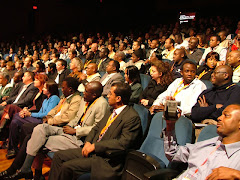
A sensitizing seminar on the use of carrier air-conditioners to construction industry stakeholders.

Mr. Ajit Chandraraj, the Business Unit Manager of Air Conditioning & Heating International, gave the welcome speech, followed by the respective Sales Managers of Residential and Commercial Systems, Mr. Syed Imam Jafar and Mr. J. Nair, presenting brief overviews on Carrier products. Some of the attendees expressed their concern especially on the availability of sub standard equipment in the local market, and they were advised to always procure the equipment from manufacturers’ authorized dealers whenever possible. Interviews conducted with some of the local expert consultants and air conditioning contractors in attendance, expressed better prospects and the beginning of a new era in air conditioning for the ever growing Tanzanian market.

These are a range of carrier air-conditioners being sold in the country by Royal Furnishers, a sole agent of the Dubai based manufacturers of the residential and light commercial air-conditioning system in Tanzania

The seminar showcased a wide range of products that are designed to suit the growing requirements of the market and also addressed the current global issues such as global warming and energy crisis. Carrier, named after the inventor of commercial air conditioning Willis Carrier, is regarded as the world’s leader in air conditioning ever since it was formed in 1902. Carrier Corporation was the first air conditioner manufacturer, way back in 1994, to start a world wide program to phase out Ozone depleting Chlorofluorocarbons (CFC) in its air conditioning products, 16 years ahead of mandates for developing countries including China, India and the Middle East. The firm still continues its legacy and has earned, in recognition of the company's achievements in helping restore the earth's protective ozone layer.

This is the outside scenery of the Coral Beach Hotel located on the shores of Indian Ocean in Masaki in Dar es Salaam.

Apart from the ozone depletion, another health and environment related issue which has been hounding the mankind, is the quality of air people do breathe in. According to a recent study conducted in Britain, “the air inside an office is probably ten times more polluted than the outside air” According to the American Medical Association (AMA), 50 percent of all illnesses, including allergies, are caused or aggravated by the pollution of indoor air. The World Health Organization (WHO) has ranked allergies third on the list of world wide ailments after cancer and cardiovascular diseases. Today’s offices and houses can contain bacteria, viruses, mould, fungus, mites and volatile organic compounds (VOC’s). All these pollutants impair air quality and can be harmful to our health, and may cause headaches, fatigue, nausea, nose-, eye-, skin- and lung irritations, asthma and other respiratory problems. Sometimes being exposed to these pollutants for too long can cause cancer.